
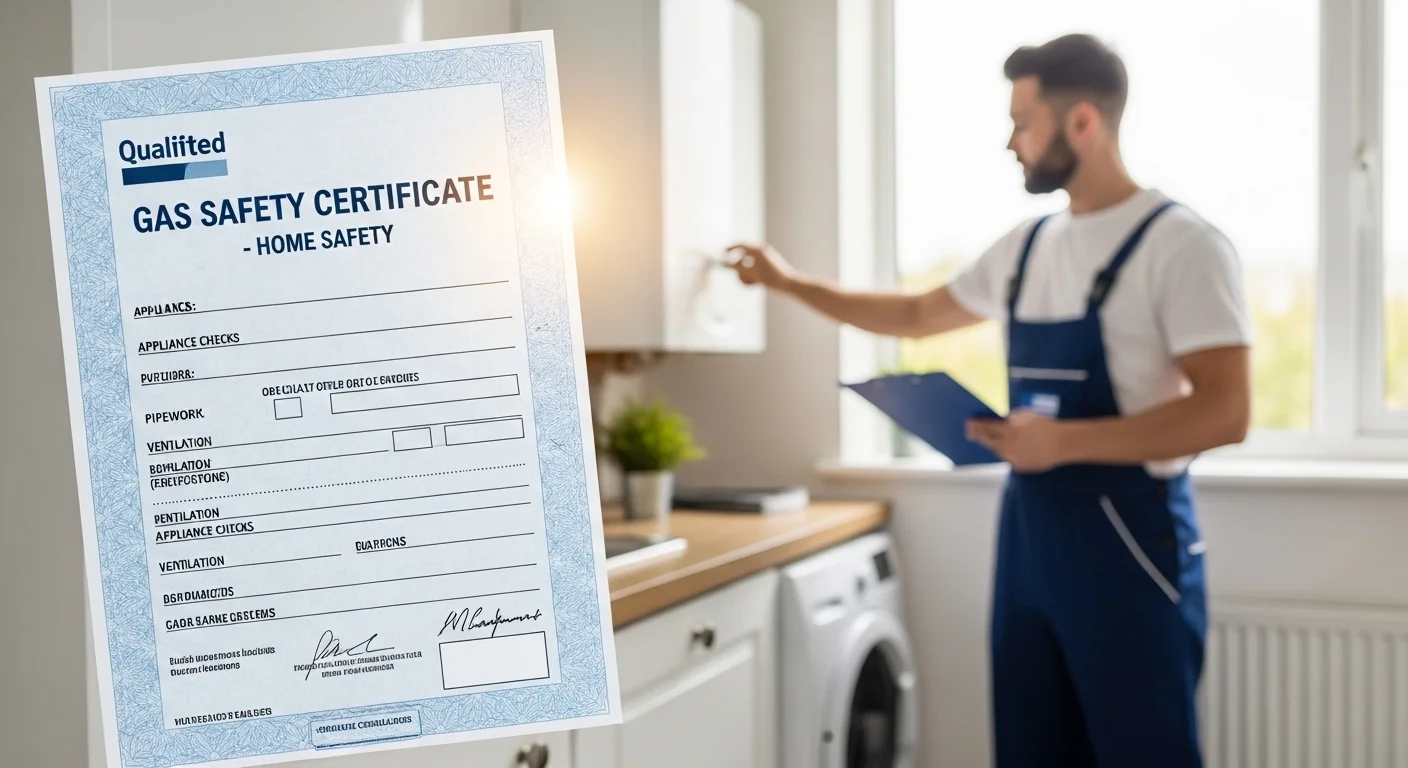
A Gas Safety Certificate is an important document that proves the gas appliances in your home are safe to use. Think of it like a health check-up for your home’s gas system. Just like you go to the doctor every year to make sure your body is healthy, your gas boiler, cooker, and other gas appliances need a yearly check to make sure they are safe.
In this guide, we will explain what a gas safety certificate is, why it matters, who needs it, how it helps keep you safe, and what happens if things go wrong. We will also talk about how it fits into home safety so that you and your family stay safe like a castle with strong walls against danger.
What Is a Gas Safety Certificate?
A Gas Safety Certificate is a written document that shows a qualified engineer has checked your gas appliances and they are safe to use. You can also see it called a CP12 certificate or gas safety record.
This certificate includes:
-
The date the inspection took place.
-
The name and licence of the gas engineer.
-
The address of the property.
-
A list of gas appliances tested (boilers, cookers, heaters).
-
Any safety checks or issues found?
-
A statement that the appliances passed the safety rules.
Think of it like a school report card for your gas system. If the appliances are behaving well (safe), you get a good grade. If not, the engineer will tell you what needs fixing.
Why Gas Safety Matters (Home Safety First)
Gas is useful, warm, and important for cooking and heating. But if gas gets out where it shouldn’t, it can be dangerous like a lion left out of its cage. Gas leaks can lead to fire, explosions, and a silent killer called carbon monoxide, which you cannot see or smell but can hurt you very badly.
Here’s why safety matters:
1. Prevents Gas Leaks
Gas leaks are like invisible rivers of danger. A small leak can fill your home with gas without you noticing. When gas builds up, it can catch fire very easily.
2. Stops Carbon Monoxide Poisoning
Carbon monoxide is called the silent killer because you can’t see it, smell it, or taste it. It can make people very sick and even cause death. A proper inspection checks for hidden dangers like this.
3. Keeps Appliances Working Well
A gas safety inspection doesn’t just check for danger— it also makes sure your gas appliances work properly. Appliances that are poorly maintained might waste energy or break down suddenly.
Gas safety is like making sure your bike brakes work before you ride down a hill — it protects you and keeps your home safe.
Who Needs a Gas Safety Certificate?
1. Landlords (Legal Requirement)
If you are a landlord and rent out a home with gas appliances, the law says you must get a gas safety certificate every year. This is part of the gas safety rules, and it protects tenants from danger.
Landlords must:
-
Get the gas appliances checked every 12 months.
-
Give a copy of the certificate to tenants within 28 days of the check.
-
Give a copy to new tenants before they move in.
Not doing this can lead to serious legal trouble, fines, and even jail in extreme cases.
2. Homeowners (Recommended)
If you own your own home, you are not legally forced to get this certificate, but it’s highly recommended. Getting a gas safety check is like locking your front door even when no one tells you to— it protects what matters most.
Homeowners still need to make sure all gas work is done by a registered Gas Safe engineer.
What Happens During a Gas Safety Inspection
A qualified gas engineer (registered with the Gas Safe Register) carries out the inspection. Think of this person as a detective for gas safety, searching for clues of hidden danger.
The routine includes:
-
Checking for Leaks — Making sure gas isn’t leaking from pipes or appliances.
-
Testing Ventilation — Ensuring smoke and fumes have a safe way out of your home.
-
Examining the Flame — A healthy gas flame should be blue. Yellow or orange can mean danger.
-
Testing Safety Devices — Making sure the cut-off devices work in case of trouble.
-
Checking Pipework — The engineer ensures pipes are solid and no cracks or rust.
After all these checks, you get a certificate that shows everything is safe for now.
Cost of Getting a Gas Safety Certificate
The cost can vary depending on how many appliances you have and where you live. On average, the price can fall between £60 and £150, but it might be higher for large buildings or many appliances.
Remember, this cost is like paying for a check-up — it’s small compared to the price of a serious gas accident.
How Often Should You Get It?
The standard rule for landlords is once every 12 months. Think of it like changing the oil in a car — if you skip it, your engine might break.
Even if you are not a landlord, doing it every year is a very good idea for peace of mind.
What If You Don’t Have a Gas Safety Certificate?
If you fail to get this certificate when you need one (like landlords), serious problems can happen:
Legal Trouble
You could face big fines, court orders, and even prison time in some extreme cases.
Insurance Problems
Without a valid certificate, your home or rental insurance might not pay for damages caused by gas faults.
Danger to People
The biggest risk is harm to people — gas leaks, explosions, and carbon monoxide poisoning. Safety should always come first.
How Gas Safety Helps Home Safety
Gas safety do-overs are like putting on armour before battle. Even if nothing is wrong now, safety checks protect against future danger.
Here’s how it helps:
Keeps Families Safe
Knowing your gas appliances are inspected makes your home feel like a safe nest where everyone can rest easy.
Builds Trust
For landlords, having a valid certificate shows tenants that you care about their safety and follow the rules.
Protects Your Wallet
Avoids surprise costs from broken appliances, fines, or denied insurance claims.
Tips to Stay Safe with Gas Appliances
Even with a certificate, you should practice good gas safety every day:
-
Install a carbon monoxide detector near gas appliances.
-
Never block vents or flues — they help remove dangerous fumes.
-
Listen for hissing sounds or smells — gas leaks can smell like rotten eggs.
-
Keep appliances clean and well-maintained.
-
Call a registered professional for repairs — never do gas work yourself.
Conclusion
A Gas Safety Certificate is like a guardian angel of your home’s gas system. It protects families, tenants, and buildings from silent dangers like gas leaks and carbon monoxide. While landlords must have it by law, all homeowners should still consider it as a wise step for keeping their place safe and warm.
By treating gas safety as seriously as a smoke alarm or a locked door, you make your home a safe harbour against danger. Peace of mind is priceless, and gas safety checks help you sleep peacefully at night knowing everything inside your walls is behaving as it should.

